
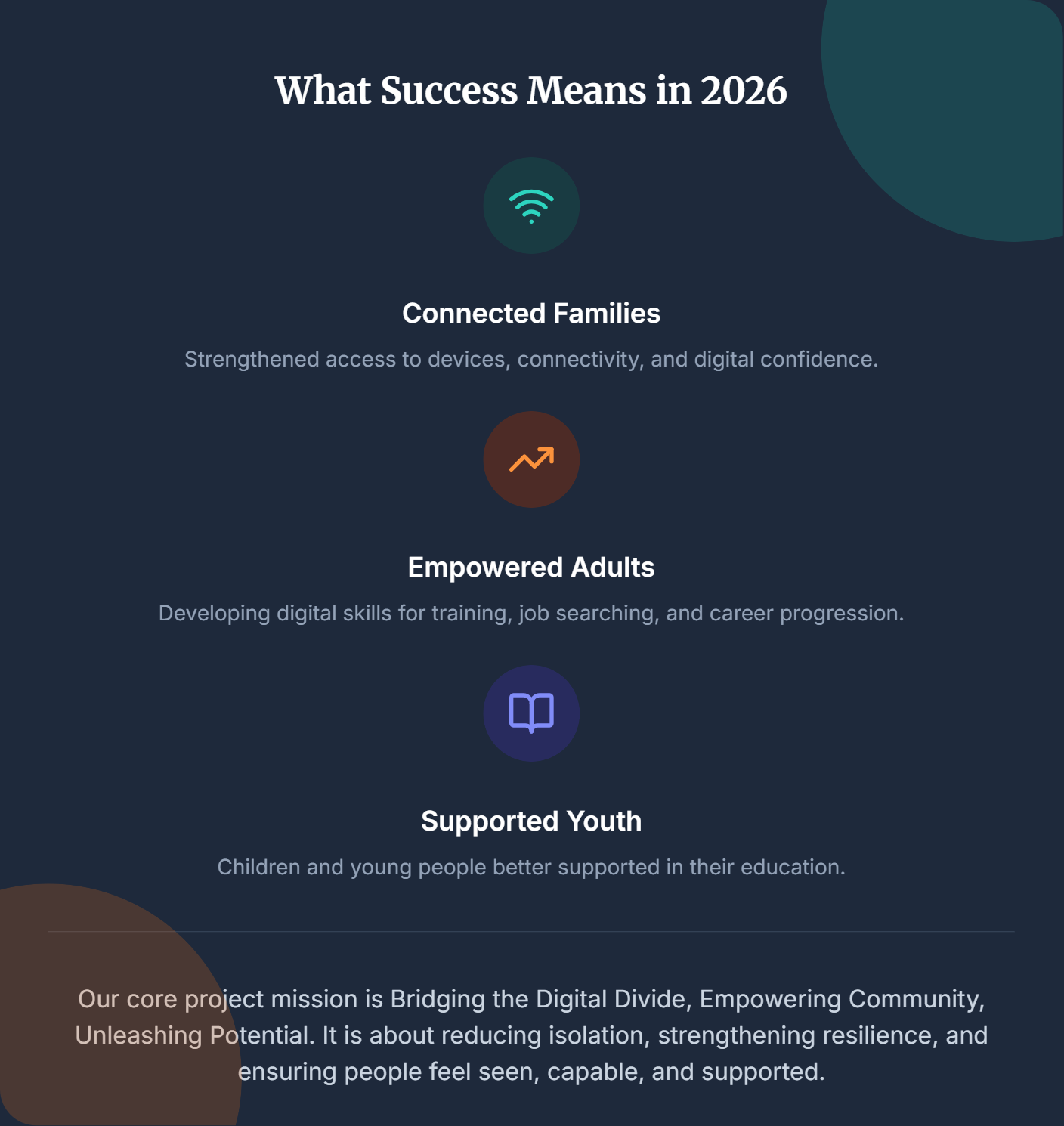
“Bridging the Digital Divide, Empowering Community, Unleashing Potential.”
At Unleashing Refugee Potential CIC (URP), we believe that every person deserves fair access to opportunity—whether that’s applying for a job, supporting a child’s education, booking a GP appointment, or simply staying connected with friends and family.
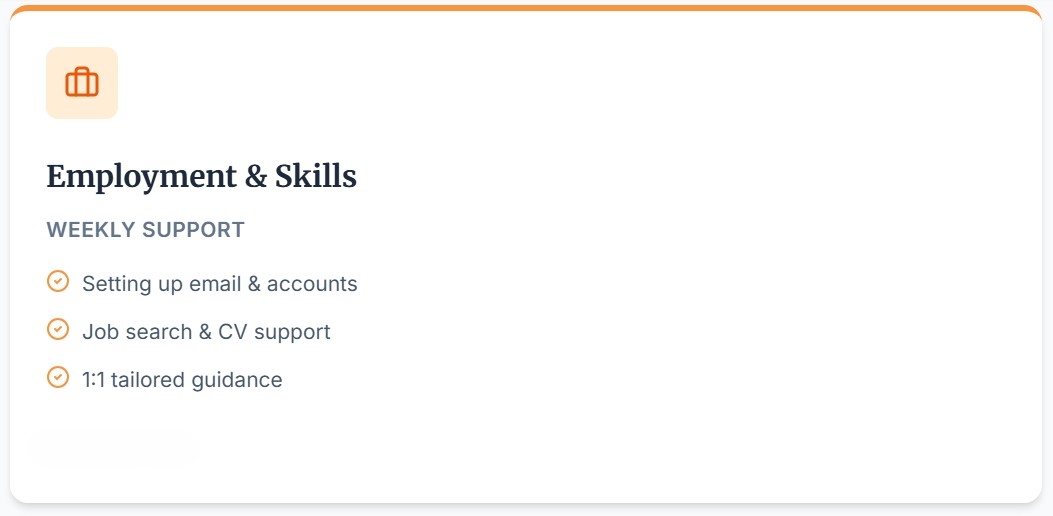
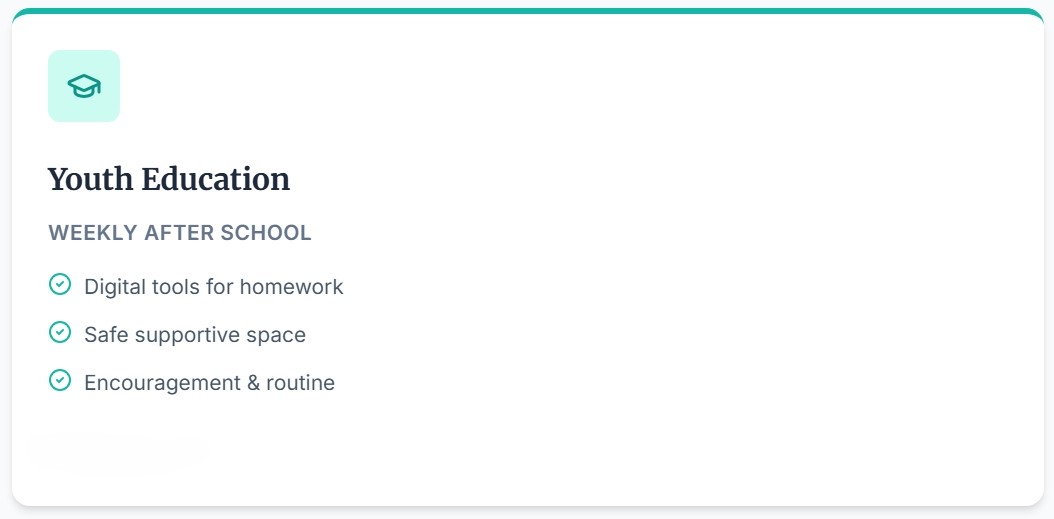
We’re proud to launch a new community project focused on digital inclusion, confidence, and practical support—shaped by the voices and experiences of refugee and migrant communities and designed for the realities of everyday life. Through welcoming drop-ins and tailored guidance, we’ll help people build the skills and confidence to use digital tools for tasks like appointments, forms, job searches, and staying safe online, at a pace that feels comfortable and respectful.

Why This Matters
Digital access is no longer optional. It affects how we learn, work, access services, and participate in society. Yet many families still face barriers—limited devices, unreliable connectivity, unfamiliar systems, language obstacles, or simply not having a trusted person to ask.
We often hear how quickly digital challenges can become bigger life challenges: a missed email, a confusing online form, a school message that isn’t understood in time.
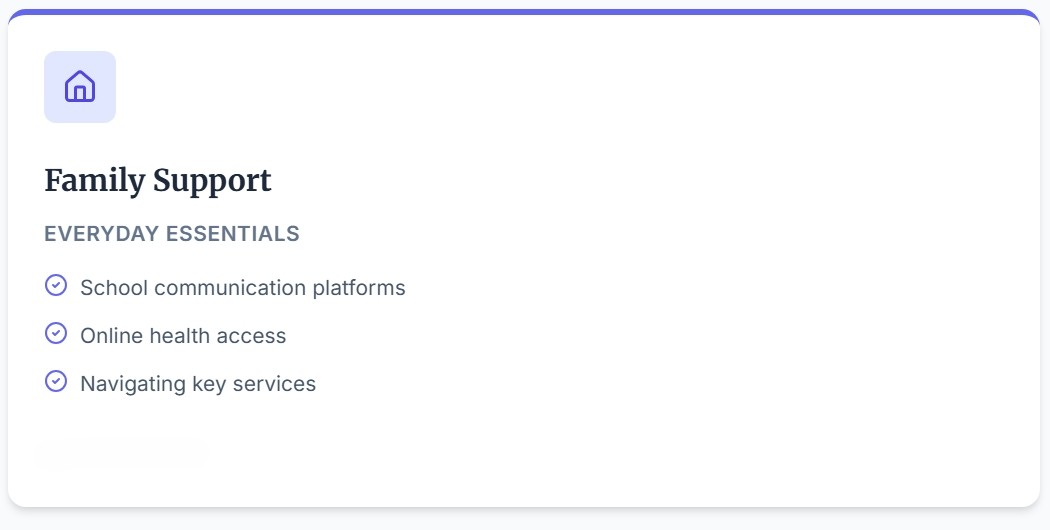
What URP Will Deliver
Our approach is simple: we create welcoming, low-pressure routes into learning and support—without judgement, without assumptions, and without expecting people to “already know” how systems work. We start where each person is, listen first, and offer practical help at a comfortable pace, so everyone feels respected, confident, and able to take the next step.

Built through Partnership
URP is delivering this work in collaboration with key partners and trusted local networks, bringing together community insight, practical expertise, and shared resources to make support easier to access and more effective. We are also learning from community-led partnership approaches that have already been tested and proven through local collaboration—building on what works, strengthening relationships, and ensuring the project is rooted in lived experience and collective leadership rather than working in isolation.
We avoid “parallel working” where families are left to navigate alone.

Leave a Reply